
Leadership and the Rule of Saint Benedict
Welcome
Management training for today’s monastic leaders
Unprecedented developments are changing our monasteries and making leadership much more demanding. Monastic leaders have to look for new ways to deal with these challenges without losing their Benedictine identity and authenticity.
To provide them with effective support, the course Leadership and the Rule of Saint Benedict was initiated in 2012 by Fr. Markus Muff OSB and established under the sponsorship of then-Abbot Primate Notker Wolf OSB in cooperation with the University of St. Gallen under the leadership of Prof. em. Dr. Günter Müller-Stewens. To date, 277 leaders – 35 per cent of whom are women – from the Benedictine Confederation, representing all five continents, have taken part in 11 courses.
The LRB course is led by two academic directors.
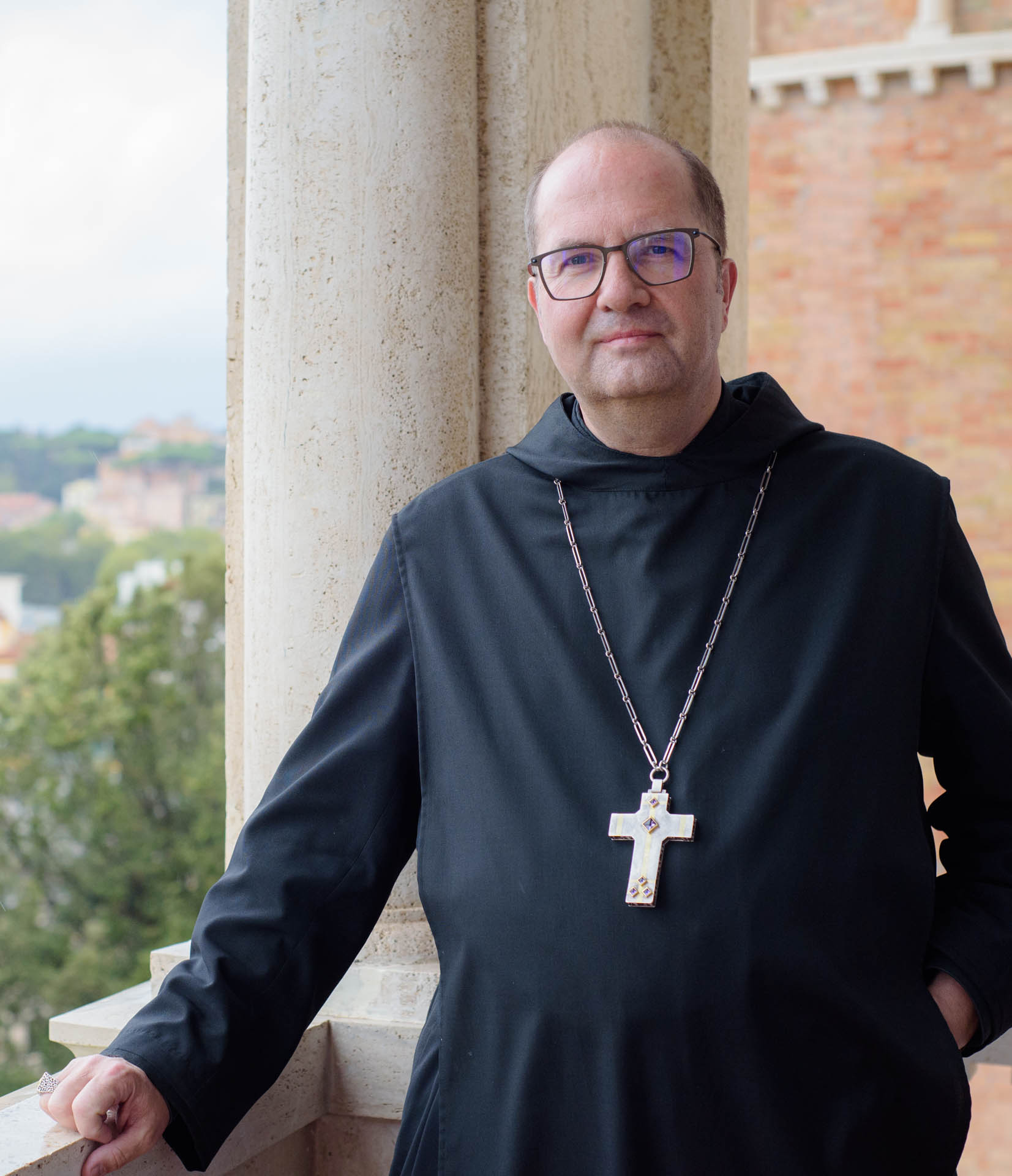
“This course enables people to be more effective leaders.”
— Abbot Primate Jeremias Schröder
Who can take part?
This program is intended for monks, nuns and lay people in positions of leadership or management in monastic communities worldwide:
- abbots and abbesses, priors and prioresses, sub-priors and sub-prioresses
- procurators, cellerars and bursars
- monks and nuns managing activities and institutions such as schools and hospitals
- lay persons in charge of responsible positions in monasteries
Candidates are required to possess:
- experience in a position of responsibility
- a recognized degree or a form of professional qualification
- sufficient working knowledge of English
The next LRB course
2027 dates : 4 – 16 July
The language of the course is English.
Scholarships and price reductions are available : Fees and Registration
Registration deadline : 26 April 2027
Contact
For more information please contact:
Fr. Paul Tobler
Academic Director of the LRB program
Email: lrb@anselmianum.com
The LRB Course
The partners
The LRB course is based on a cooperation between two partner organizations:
The Benedictine Confederation at Collegio Sant’Anselmo, Rome
Sant’Anselmo is a triple institution:
- the place of academic studies called the Ateneo, originally for the Benedictines, but also open to external students;
- the college, where the monks, religious and priests who study both at the Atheneum and at the other Roman pontifical universities live;
- the Curia of the Abbot Primate, the headquarters of the highest representative and coordinator of the Benedictine Confederation.
Find out more: osb.org or collegiosantanselmo.com
University of St. Gallen
The University of St. Gallen is an internationally reputed and top-ranked business school. Since its founding in 1898, the education offered has been characterized by a close relationship with the working world, integrating its students with outside corporations, 150 partner universities and membership in international networks. The university currently educates more than 10.000 students in Business Administration, Economics, Law and the Social Sciences. Its international orientation is strengthened by students and faculty from all continents.
Find out more: unisg.ch
Structure of the LRB course
The course is divided into four modules, each lasting 2.5 days. All modules are led by a team of two: a member of the St. Gallen business school network and a monastic leader of the Benedictine confederation.
Module 1 : Strategy making
Faculty:
Prof. em. Dr. Günter Müller-Stewens, University of St. Gallen, Switzerland;
Sr. Francesca Ṥimuniová OSB, Abbess of Venio Abbey, Munich/Germany; Prague/Czech Republic
Like any other organization, a monastic community must deal with internal and external partners: members of the community, guests, employees, parishes, public and others. These stakeholder relations are decisive for the long-term success and survival of an organization. Leaders must shape these relations in a sustainable and strategic way. In this way, they provide their community with a common orientation and sense of purpose. This module will introduce related practical exercises that can be easily applied to the monastic environment.
Module 2: Understanding and Shaping organizations
Faculty:
Prof. em. Dr. Thomas S. Eberle, University of St. Gallen, Switzerland
Sr. Thaddaea Selnack OSB, Cellerar of Saint Marienstern Abbey, Panschwitz-Kuckau/Germany
Everybody who is responsible for an organization should change his or her glasses every now and then! The reality of an organization is always multi-faceted and needs a playful change of perspective in order to be perceived in its entirety. The aim of this module is: (1) to learn to ‘see through’ monastic everyday situations; (2) to reflect the own handling with conflicts and decision making; (3) to awaken creativity and (4) to open up inspiring new ways of dealing with routine tasks.
Module 3: Leading People
Faculty:
Prof. Dr. Jean-Paul Thommen, European Business School
Sr. Ruth Mary Starman OSB, Assistant Prioress General, Benedictine Sisters of Perpetual Adoration, Clyde/USA
This module provides models and insights on leadership in a constantly changing environment. Leaders have to learn how to adapt to new situations and reflect on value-oriented leadership and social competences. This module presents models and insights on leadership in a constantly changing environment. Managers must learn to adapt to new situations and engage with value-based leadership and social skills. These are important not only in leading employees but also in dealing with conflicts. Therefore, it is important to be familiar with various strategies for resolving conflicts. Furthermore, conflicts can even be seen as an opportunity to find better solutions.
Module 4 : Managing Projects
Faculty:
Ass. Prof. Dr. Erwin Hettich, University of St. Gallen
Br. Ansgar Stüfe OSB, Former General Procurator of the Congregation of Saint Ottilien and Head of the publishing house of Münsterschwarzach Abbey
Unlike ordinary activities, projects are temporary and unique.
What is the problem? How to find solutions? What is a project and what is the role of a project manager? How to develop a project? How to succeed? How to avoid pitfalls? Running projects requires vision, planning, sketching, communication, monitoring and finally measuring the results. This module helps to develop these skills through exploring best practices and understanding goals and challenges of project management, analyzing the context and the resources available and applying some basic tools.
Goals and characteristics of the LRB course
The goals of the LRB course include supporting monks and nuns in positions of leadership to grow
- more responsible – through a deeper understanding of what is expected from a leader in a monastic context
- more responsive – thanks to the ability to combine the wisdom of the rule, the social doctrine of the church and the science of management and leadership in new and original ways
- more competent – thanks to proven leadership techniques learned from top professionals in the field and adapted to a monastic context.
The course is oriented toward practice and is based on sharing experiences, advice and tools. A solution and action driven approach is applied with simple, but well proven tools and frameworks; the scientific foundation happens in the background.
The course is also a platform for the exchange of experiences. The participants will recognize that they are not alone with their challenges. They share problems and experiences with other monks and nuns and learning from each other under the guidance of qualified advisers.
Besides the four modules, you can look forward to many social activities like a Pilgrimage to Subiaco
Faculty
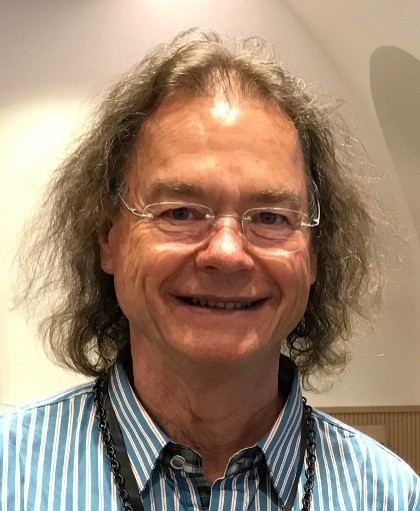
Prof. Dr. Thomas S. Eberle
He is Professor Emeritus and former Co-Director of the Research Institute of Sociology at the University of St. Gallen. His main research interests include the sociology of culture, communication, knowledge, and organization, as well as methodology and qualitative research methods. He served as President of the Swiss Sociological Association from 1998 to 2005 and as Vice-President of the European Sociological Association from 2007 to 2011. He is also an experienced trainer in personality development, coaching, leadership, communication, and organizational development.

Dr. Erwin Hettich
Erwin Hettich is Founder of MindsXMachines, a strategy and AI venture helping organizations transform strategy, innovation, and decision-making through generative AI. For more than two decades, he has helped organizations translate strategy into execution, leading transformation, venture building, and growth initiatives across consulting, insurance, automotive, construction, and financial services. Previously, Erwin founded and led the Strategy Lab at the University of St. Gallen (HSG) and served as Assistant Professor of Strategic Management. He holds a PhD from the University of St. Gallen and was a Visiting Fellow at Harvard Business School. Today, he lectures at leading universities and works with executives and organizations to develop AI-powered strategies and lead organizational transformation.
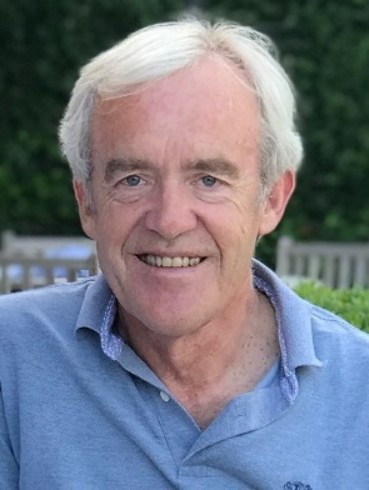
Prof. em. Dr. Günter Müller-Stewens
He is a Professor emeritus and former managing director at the Institute of Management & Strategy at the University of St. Gallen. He has written more than 400 publications on strategic management and has been a trainer, consultant and member of the advisory boards of many international organizations. He is co-academic director of the LRB program.
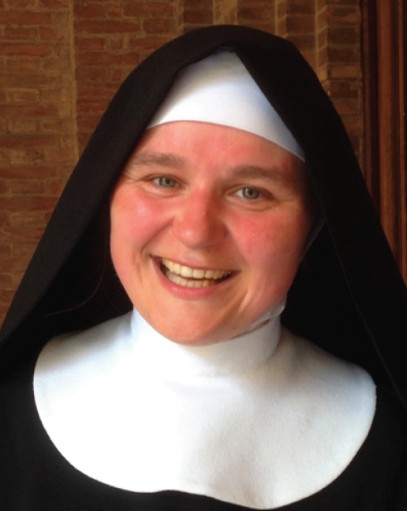
Sr. Thaddaea Selnack OSB
She is Cellerar of Saint Marienstern Abbey, Panschwitz-Kuckau/Germany.
Sr. Francesca Ṥimuniová OSB
She is Abbess of Venio Abbey, Munich/Germany and Prague/Czech Republic. She studied special education at Charles University Prague and has studied psychotherapeutic training. From 2003 to 2020, she served as the representative of Action Reconciliation Service for Peace in the Czech Republic. She is active in the ecumenical movement and in interreligious dialogue.

Sr. Ruth Mary Starman OSB
She served six years as Assistant Prioress General for the Benedictine Sisters of Perpetual Adoration in the USA and six years as a congregation councilor. She is currently Novice Director and manager of the Altar Bread business for her community.
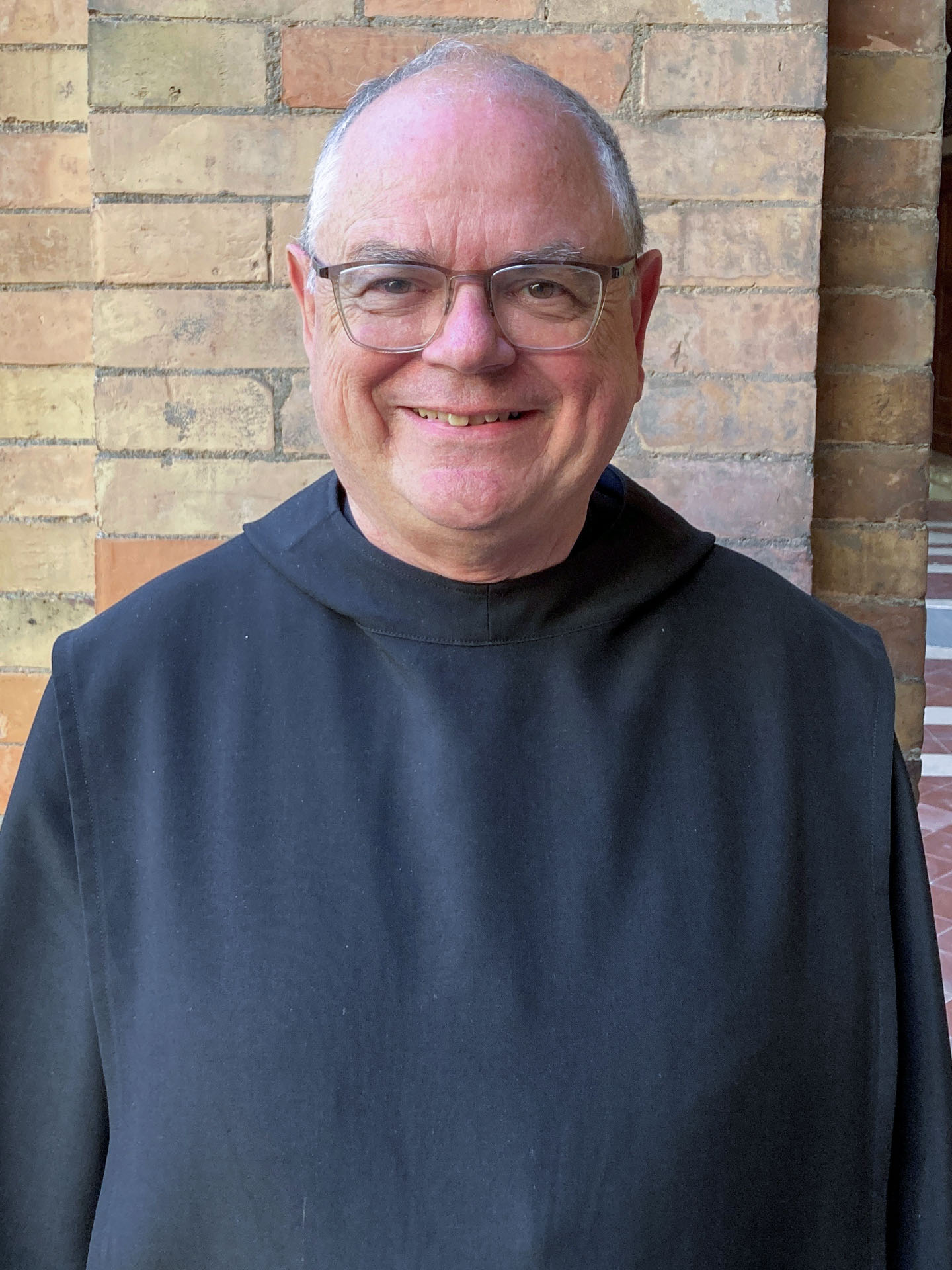
Br. Ansgar Stüfe OSB
He is a monk of Münsterschwarzach Abbey in Germany. Before he joined the monastery in 1979 he studied medicine and got his doctor’s degree. Later on he specialized in internal and tropical medicine. In 1987 he was sent to Peramiho Abbey in Tanzania. There he became doctor in charge of the hospital and built up a community-based health system in the nearby areas. Due to this management experience he was appointed procurator of the Benedictine Congregation of St. Ottilien. The main task of the procurator is the coordination and management of projects in the monasteries worldwide. He is also chairman of the auditing committee of the congregation. In 2018 he moved back to his original monastery and became the director of the publishing house. He still coordinates the projects of the hospitals in Tanzania and Uganda and is still chairman of the auditing committee.
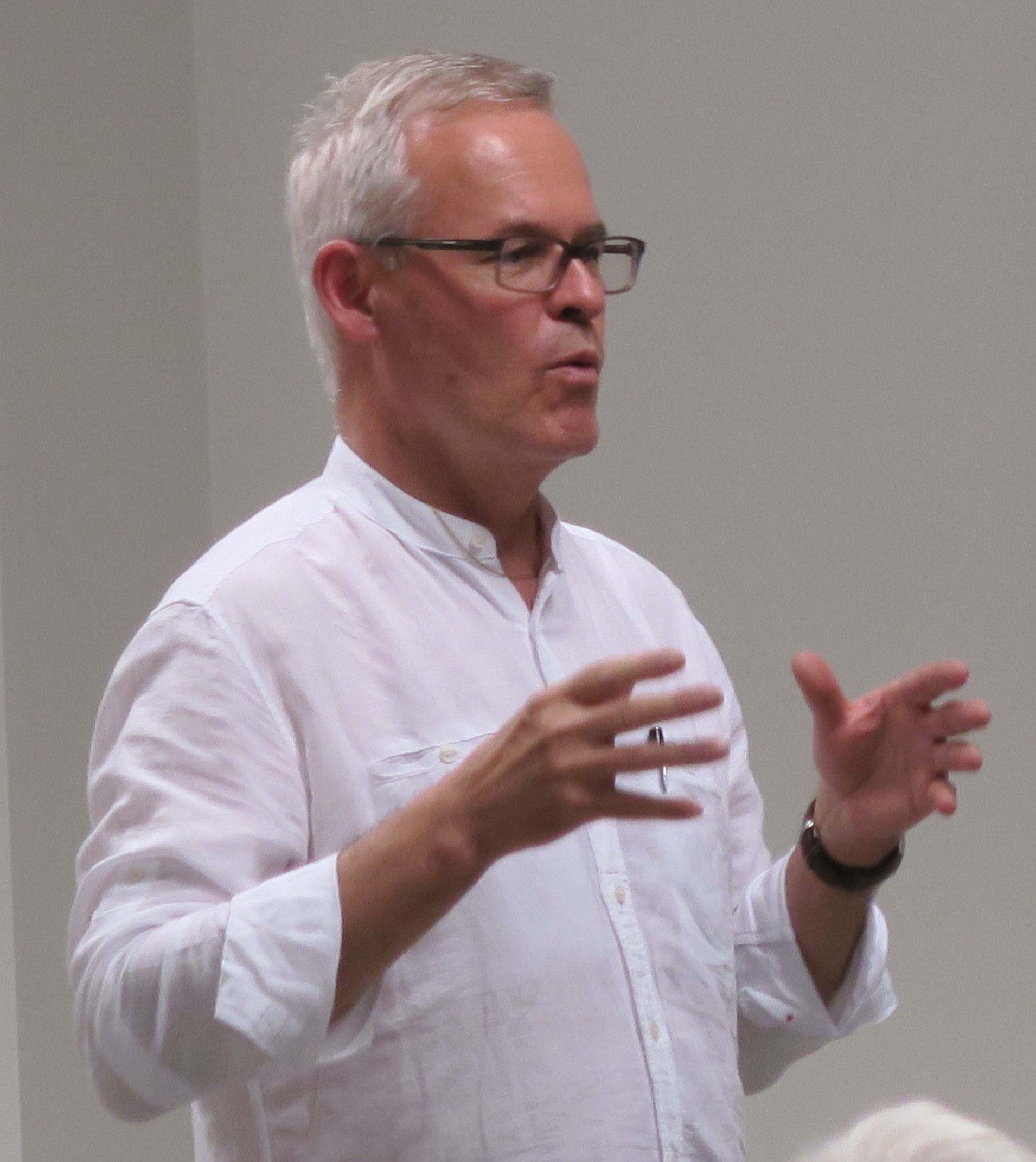
Prof. Dr. Jean-Paul Thommen
He is a professor emeritus and former holder of the Chair of Organizational Behavior at the European School in Germany. He has authored numerous publications on general management, organizational behavior, leadership, and business ethics. He has worked as an experienced trainer, consultant, and coach in various Profit and Non-Profit Organizations. He has also served on the advisory boards of many organizations and companies. Together with his wife, he founded a publishing house specializing in business and management books.
Fr. Paul Tobler OSB
He is a monk of Disentis Abbey in Switzerland, where he serves as vice-director of the high school and boarding house. Prior to entering the monastery, he studied environmental sciences in Zurich. As a monk, he studied philosophy and theology at Lugano in Switzerland and Sant’Anselmo in Rome. He is co-academic director of the LRB program.
Testimonials
The testimonials highlight the experiences gained by participants in the LRB course in 2026. They might help you to get a better idea of what to expect from the course.
The course helped me in my role as monastic counselor to understand the different aspects of an organization, the different ways to view it, to better understand what to consider, how approaching an issue / problem.
— Priest from England
I was enriched a lot by this leadership progamme. Especially through various topics, input sessions, group discussions, presentations, sharings etc. It was a very good experience for me. I was able to come in contact with participants from different countries and understand them and their difficulties through their sharings. I better understand how I can be a better leader.
— Sister and teacher from India
The course has helped me to understand how to handle and manage my community properly. I have also learned how to handle conflict within the community and business-wise. I also did not know how to write a project proposal, but now I have an idea.
— Brother and Subprior from the Netherlands
The course helped me in my role as an CFO in various ways. Each set of teachers and the other 19 participants from all over the world helped me to see that the universal church is alive and well. There were so many wonderful tools tought to us and so many wonderful stories and examples of how we can implement the various ideas. I will allways treasure my time here and I feel better equiped both professionally and personally for what lies ahead.
— CFO of a monastery from the USA
The course helped me in my role as an abess to know better how to lead. It provided me with good tools to be a good leader to my community. Now I understand better how I can shape and organize the affairs of my community with our stakeholders. With a good strategy I can make it more attractive for new vocations.
— Sister from Nigeria
The LRB-Course helped me to get more insight and tools to oversee my task as Superior of my community in a gerneral and in a personal way.
— Brother from the Netherlands
The course helped me in my role as Procurator to understand better my functions and my community in relation to the Rule of St. Benedict.
— Priest from Tanzania
The course helped me in my function as Subprior and Guestmaster to remain calm when conflicts arise, to think in a structured way, and to foster cooperation within the monatery.
— Brother from Austria
The LRB course has given me a lot of information and knowledge. As a School Manager and Procurator of the monastery I need certain strategies to work with the entrusted duties. I need to improve my leadership qualities, to handle conflicts in my organization and to manage projects.
— Priest from India
The course helped me in my function as Prior to understand better the interconnectivity and interdependance of activities that lead to successful outcomes from strategy, organization, leadership and project mangement.
— Priest from Kenya
The course helped me in my function as Guest Sister and Counselor to strengthen my confidence in my capacity and experience.
— Sister from Germany
The LRB-Course helped me in my function as Assistant Mistress Novices to gain more knowledge about leadership — particularly through the collage, how I can help others in a leadership position by my input, how to organize our monastery, how to lead projects, and how to include all stakeholders to go for the same vision.
— Sister from Burkina Faso
The course helped me in my role as Financial and Business Administrator to better understand how our organization or community operates in terms of leadership, strategies or the organization of resources to enable the community to achive its desired goal.
— Priest from Tanzania
The LRB-Course helped me in my role as Principal to connect and understand the importance of the alignment of all elements to the strategy and the importance people play in creating a highly functioning school.
— Principal of a Benedictine school in Australia
I learned how to solve the problems between workers and monks. I know now better how to handle projects from the beginning up to the end. I have discovered the ways of finding out the right projects that can benefit the community and the monks. And I know how to budget for the projects and give accountability.
— Brother and Cellarer from Uganda
The course helped me in my function as a cellerar to restrucure my organisation — monastery. Also it helped me to plan well my duties and implement them in time. And it helped me to get more ideas how to write project plans and to use AI as a tool for it.
— Priest from Zambia
The course helped me in my function as a Principal of the school to have a unique learning experience. It helped me to find my own leadership style with its own strengths and weaknesses and how to enhance it further. I learned to handle conflicts with different methods. The workshops gave me a lot of confidence.
— Priest from India
The LRB-Course helped me in my role as Assistent Mistress in my formation, in taking care to my formees and to be a good leader for them. All practical devices were very inspiring and enriching.
— Sister from India