Addressing Spiritual Abuse: Spring Day of Formation 2026
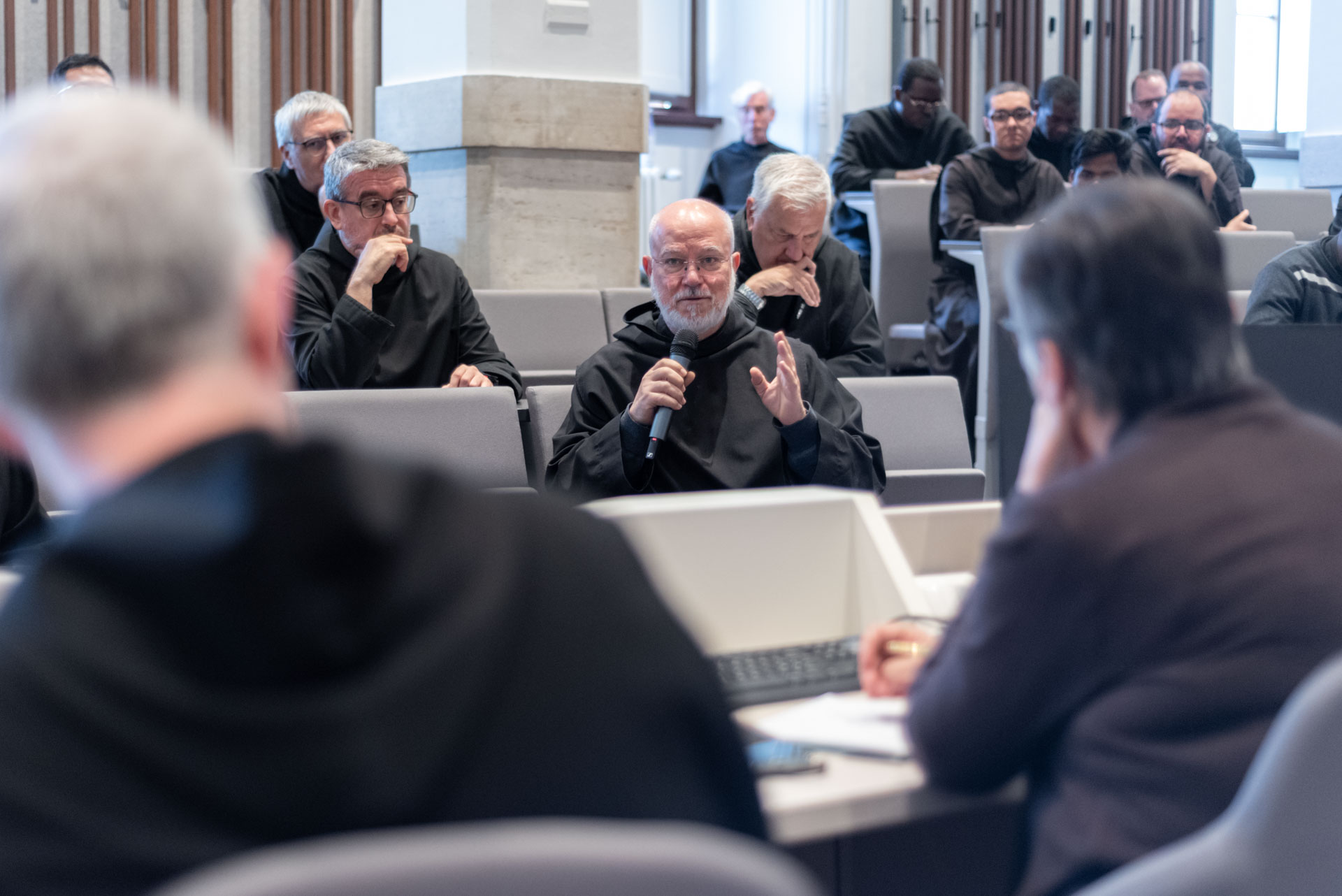
Collegio Sant’Anselmo convened its residents for a Day of Formation examining the theological, canonical and institutional dimensions of spiritual abuse in the Church.
20 July 2026
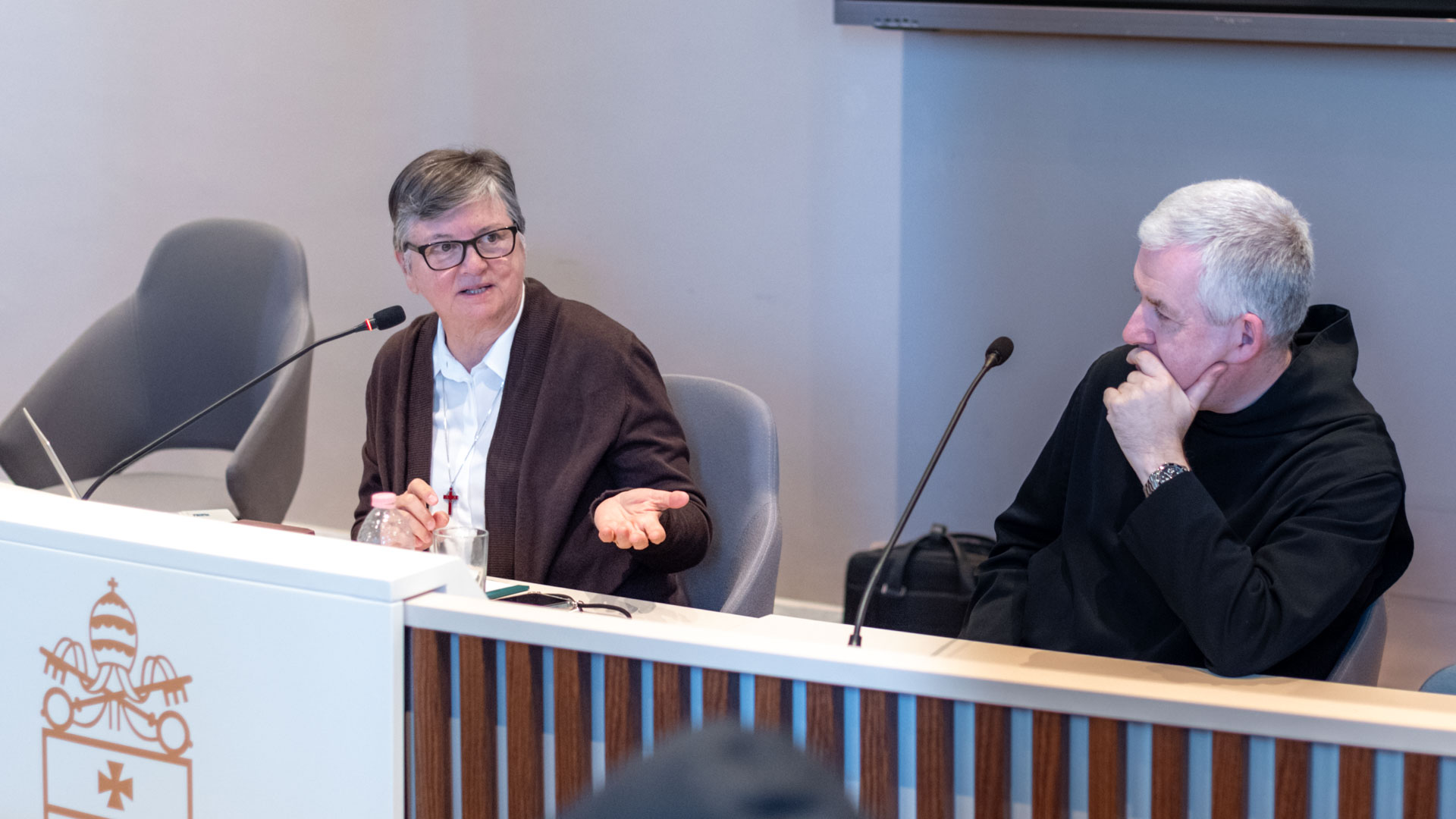
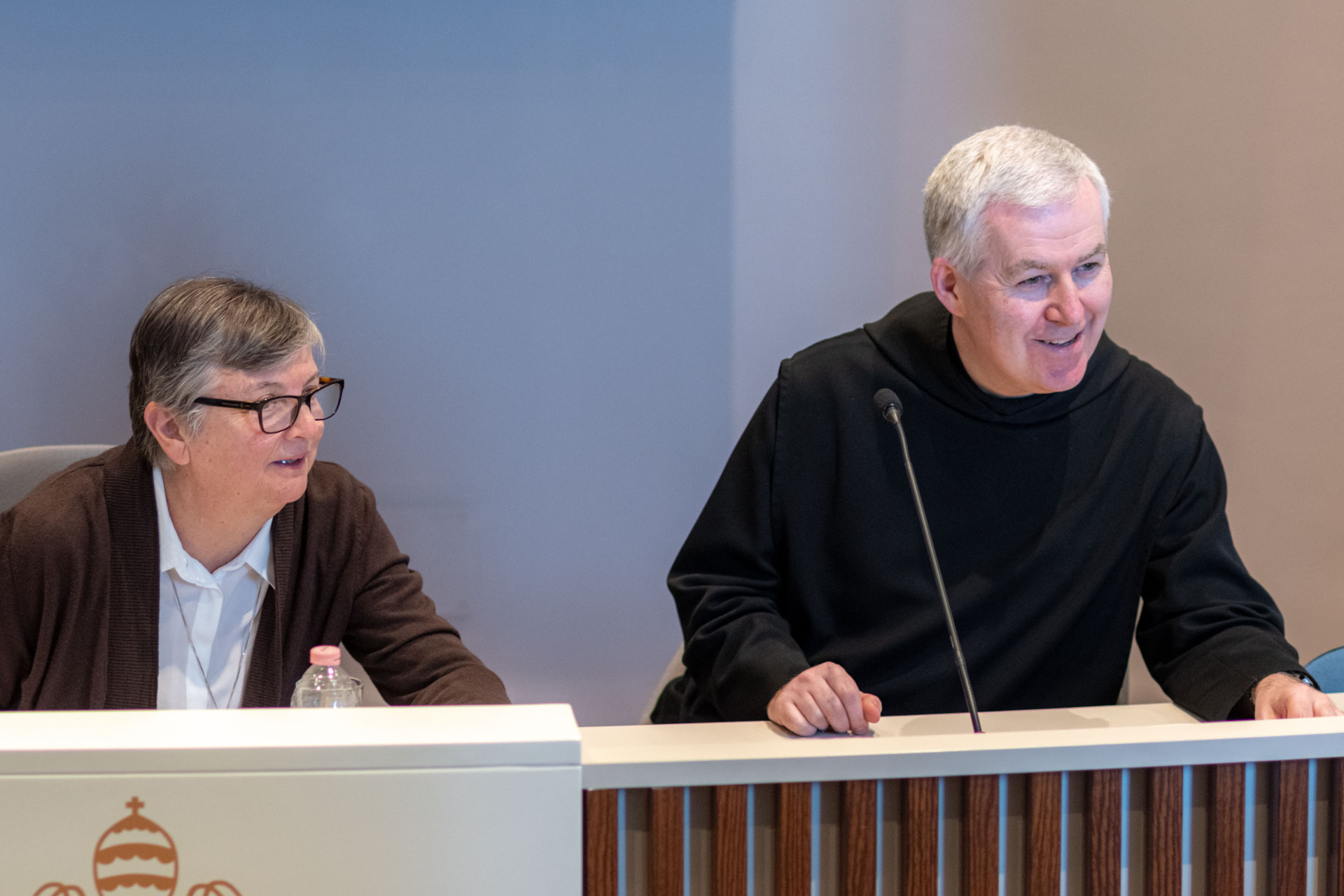
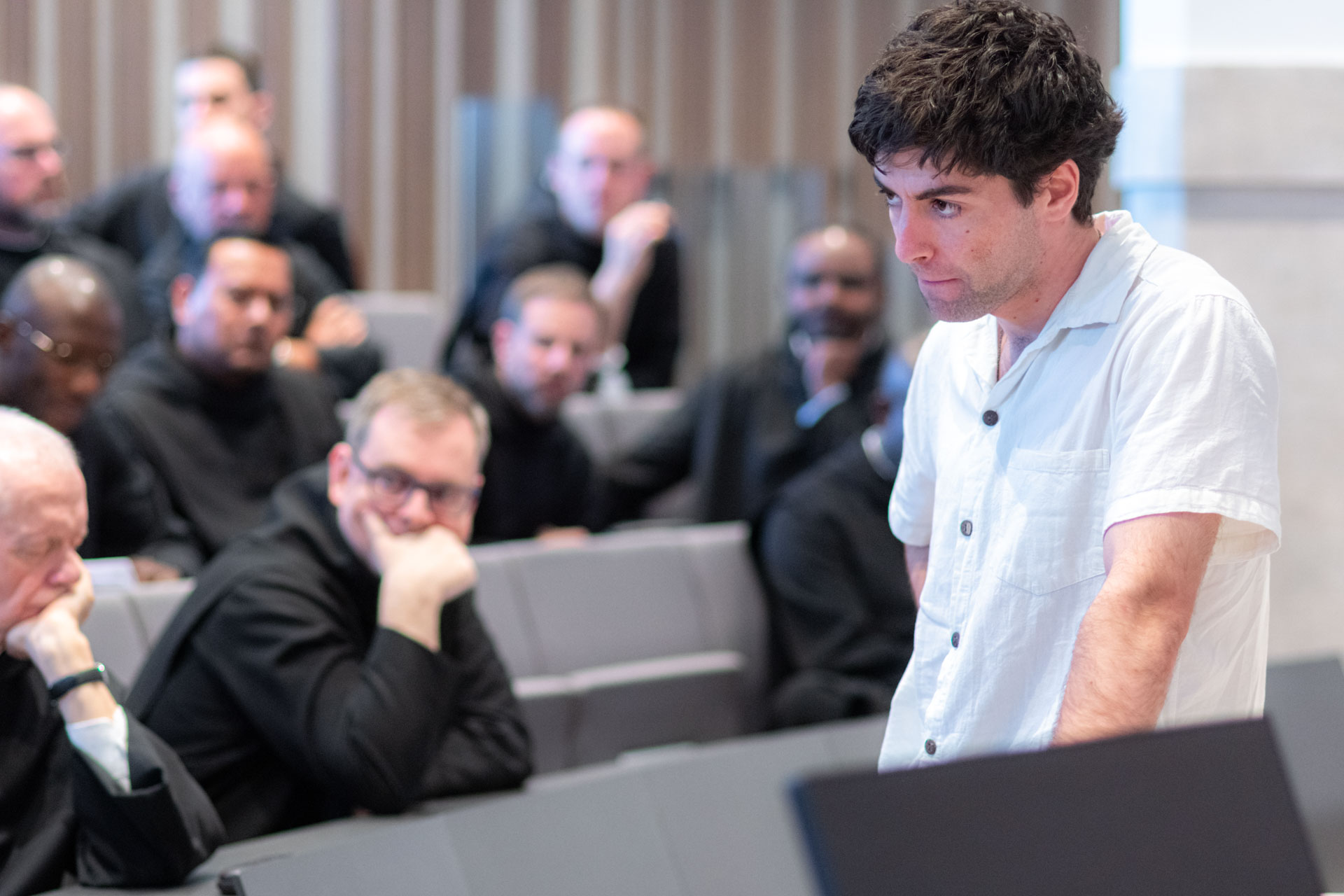
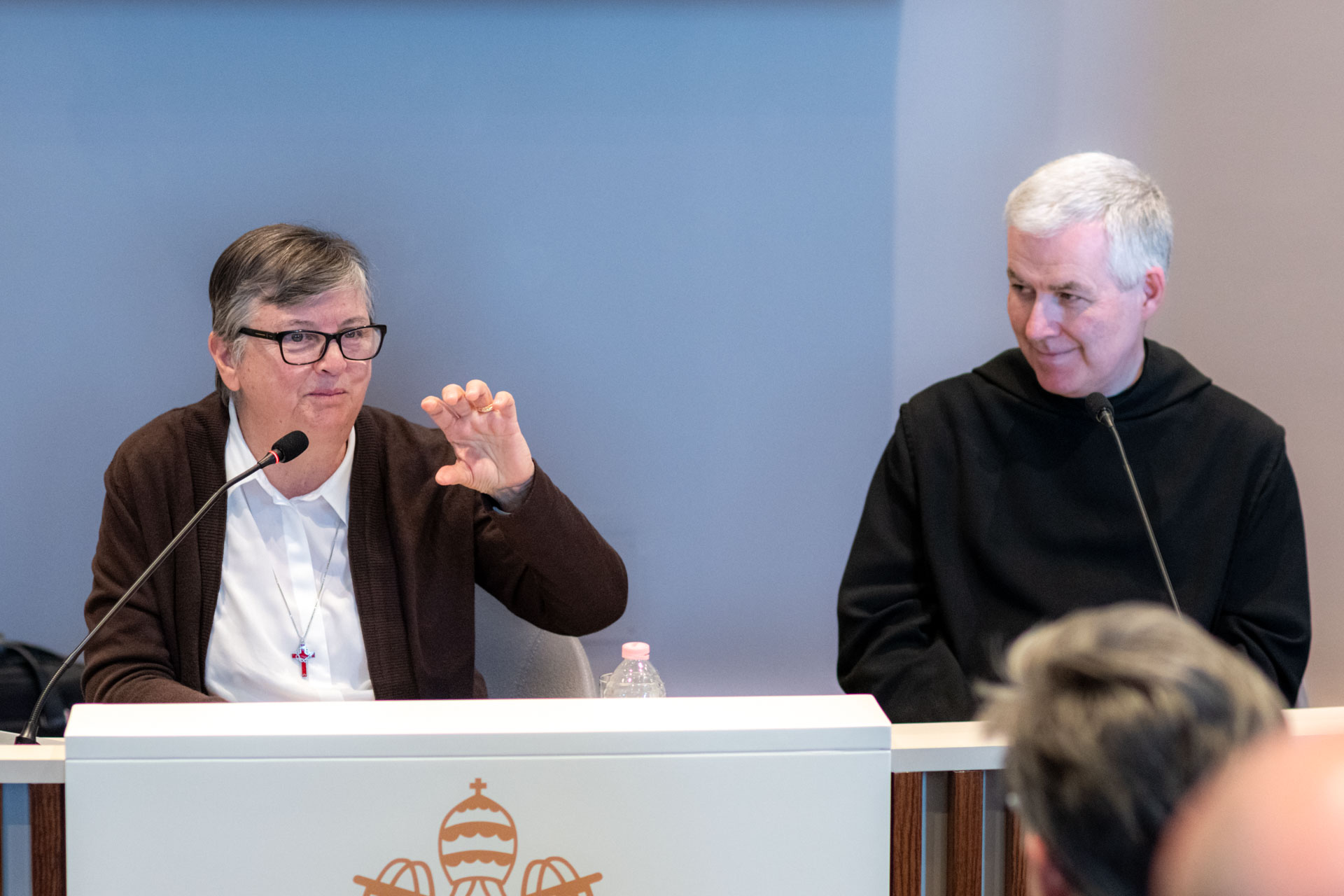
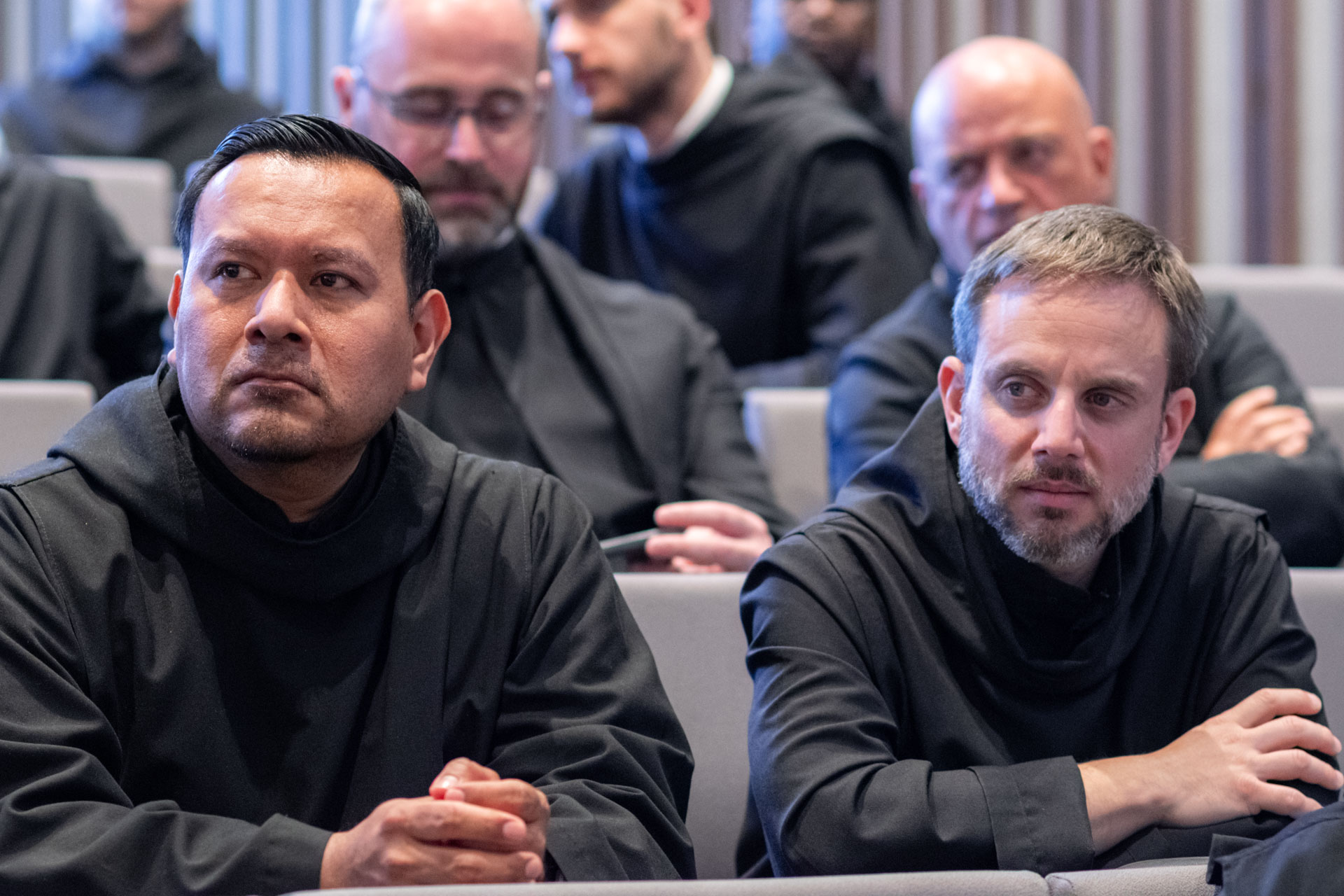
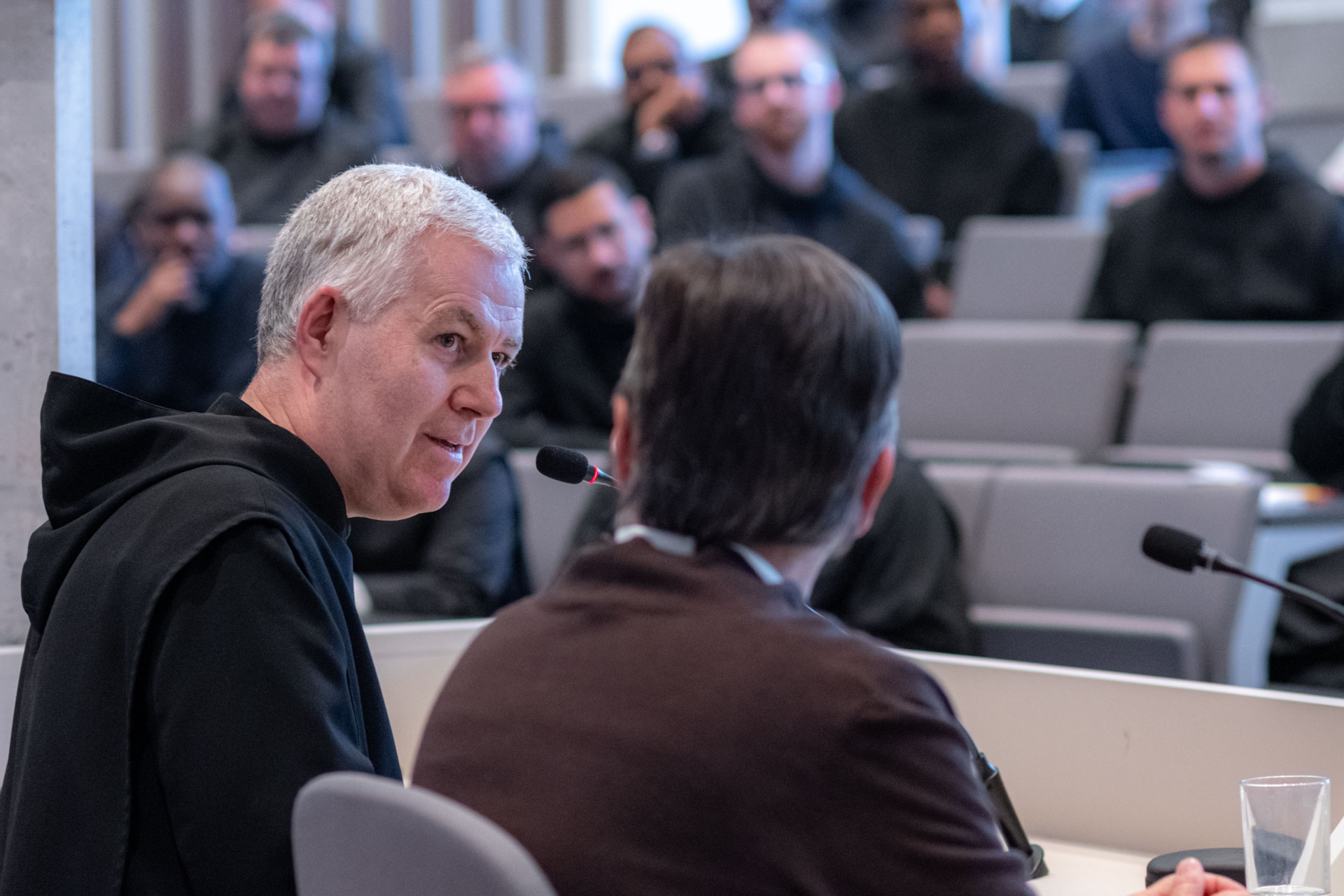
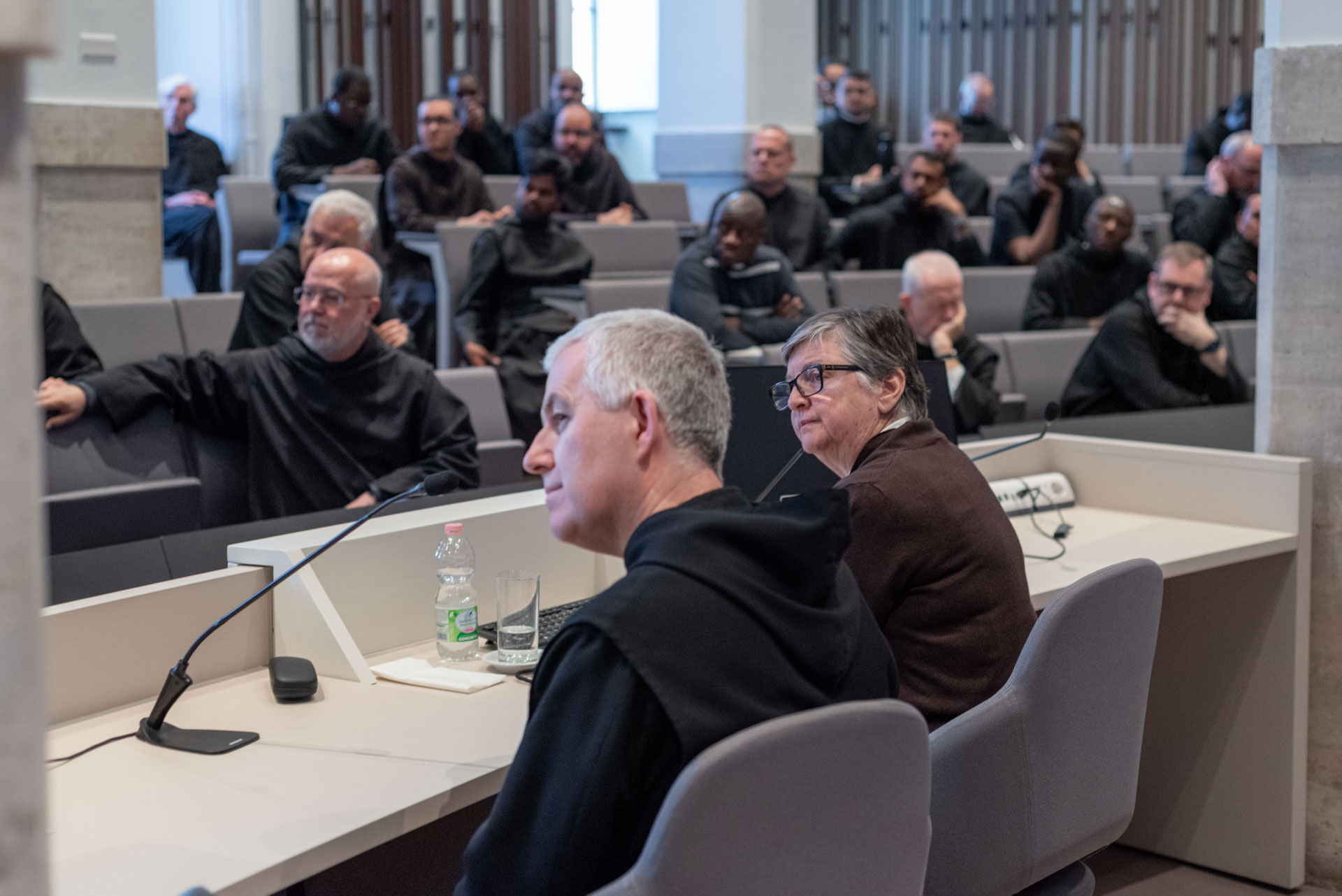
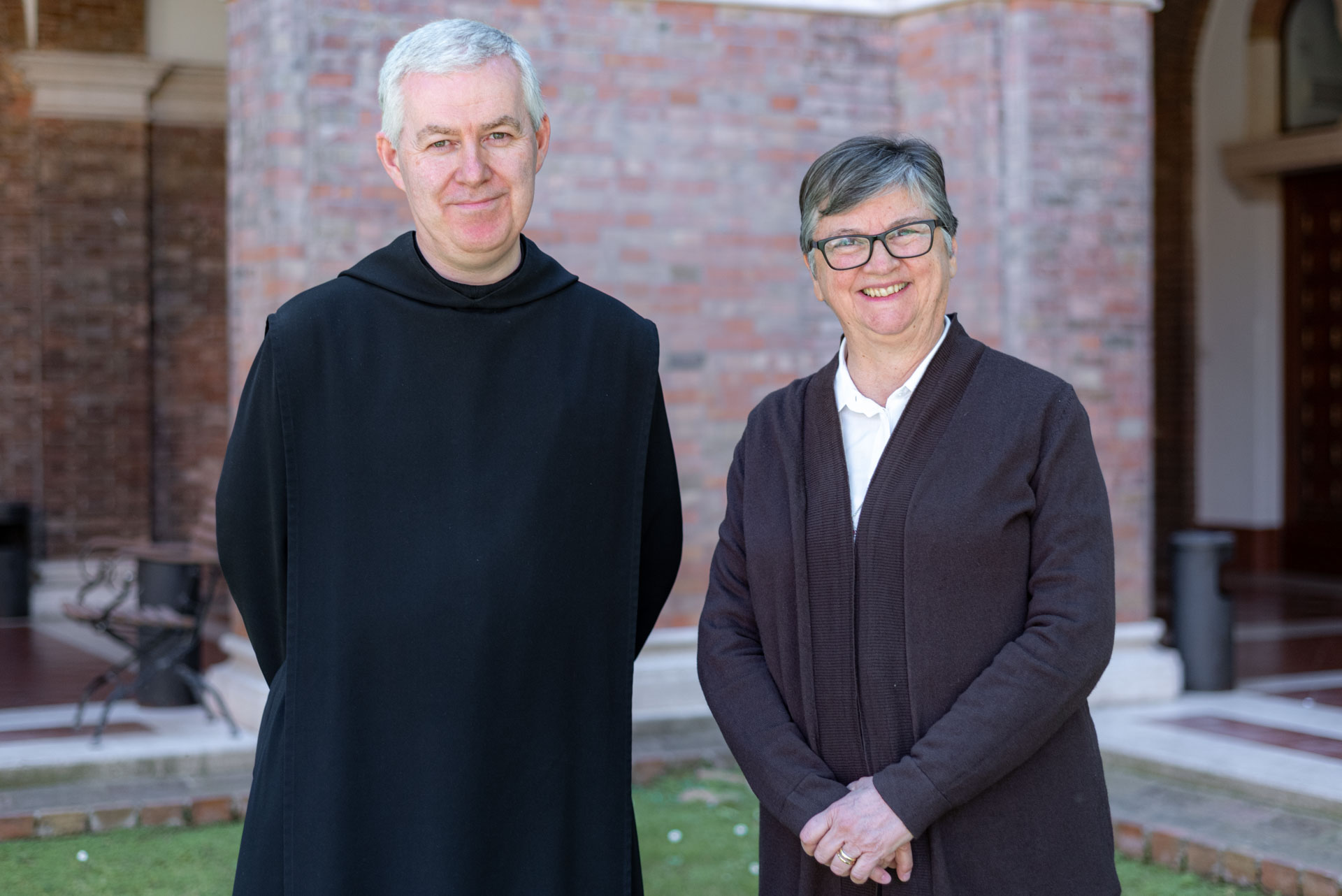
On Saturday, 2 May 2026, Collegio Sant’Anselmo held its Spring Semester Day of Formation, bringing together more than 100 residents to reflect on a critical ecclesial challenge. The study day focused on the theme L’Abuso Spirituale: Ferita Aperta Nella Nostra Chiesa (Spiritual Abuse: An Open Wound in Our Church). Organised at the invitation of Prior Brendan Coffey OSB, who serves part-time at the Dicastery for Institutes of Consecrated Life and Societies of Apostolic Life, the keynote presentation was delivered by Sister Tiziana Merletti SFP, the Dicastery’s Secretary.
In her presentation, Sr Merletti contextualised spiritual abuse within recent magisterial history and ongoing canonical developments. Whilst the term was prominently utilised by Pope Francis in his 2018 Letter to the People of God, it remains a complex phenomenon undergoing formal legal evaluation. Sr Merletti noted that the Dicastery for Legislative Texts, acting upon a proposal from the Dicastery for the Doctrine of the Faith, established a working commission chaired by Archbishop Filippo Iannone to determine how the delict of spiritual abuse might be integrated into the Code of Canon Law. This systemic effort underscores the gravity of an issue defined fundamentally as emotional and psychological manipulation enacted "in the name of God", which ultimately deforms a person's image of the divine and damages their interior life.
A significant portion of the day was dedicated to exploring the delicate dynamics of spiritual accompaniment, distinguishing it carefully from rigid spiritual direction. Sr Merletti observed that accompaniment is inherently asymmetrical, creating a profound vulnerability as the individual shares intimate aspects of their soul. To safeguard this relationship, she emphasised the value of implementing a clear ethical code of conduct, referencing frameworks such as those formulated by the Australian Ecumenical Council for Spiritual Direction. Such guidelines establish healthy boundaries regarding confidentiality, session frequency and mutual freedom, countering the harmful misconception that a spiritual guide can demand blind, unconditional obedience.
The formation session also examined how existing canon law protects the spiritual freedom and interiority of the faithful as fundamental juridical goods. Sr Merletti highlighted specific historical and legal boundaries, including Canon 214, which establishes the right to follow one's own method of spiritual life, Canon 219, which guarantees immunity from coercion in choosing a state of life and Canon 220, which protects personal privacy. Within religious communities, the strict separation between the internal and external forums remains a crucial safeguard. Canons 630 and 985 explicitly forbid superiors, novice masters and seminary rectors from inducing members to manifest their consciences or misusing knowledge gained in confession for external governance, ensuring that authority never compromises spiritual self-determination.
Beyond individual relationships, the presentation addressed the systemic dimensions of spiritual abuse within religious institutions, a vulnerability studied closely by authors such as Dysmas de Lassus. When an institutional culture conflates a radical delivery of self with the total surrender of conscience, the vital distinction between governance and the internal forum is compromised. Sr Merletti presented a comprehensive checklist for communities to evaluate their practices, urging superiors to implement transparent reporting procedures, mandatory safeguarding programmes and rigorous background checks for those elected to governance. Such measures prevent institutional self-referentiality from suppressing reports in an effort to avoid scandal.
The Day of Formation concluded with a call to align leadership practices with the virtues of accountability, truth and humility. Reflecting on recent guidance from Pope Leo XIV, who warned against the "abuse of the name of God" and encouraged deep collaboration with the Pontifical Commission for the Protection of Minors, the assembly considered how healthy institutional cultures can ensure that justice is lived with mercy. Through events of this calibre, Collegio Sant’Anselmo continues to fulfil its vital mission for the Benedictine Confederation, equipping the next generation of monastic leaders with the theological depth and canonical clarity required to foster safe, transparent and nurturing communities.
More News
-
Collegio Sant’Anselmo convened its residents for a Day of Formation examining the theological, canonical and institutional dimensions of spiritual abuse in the Church.
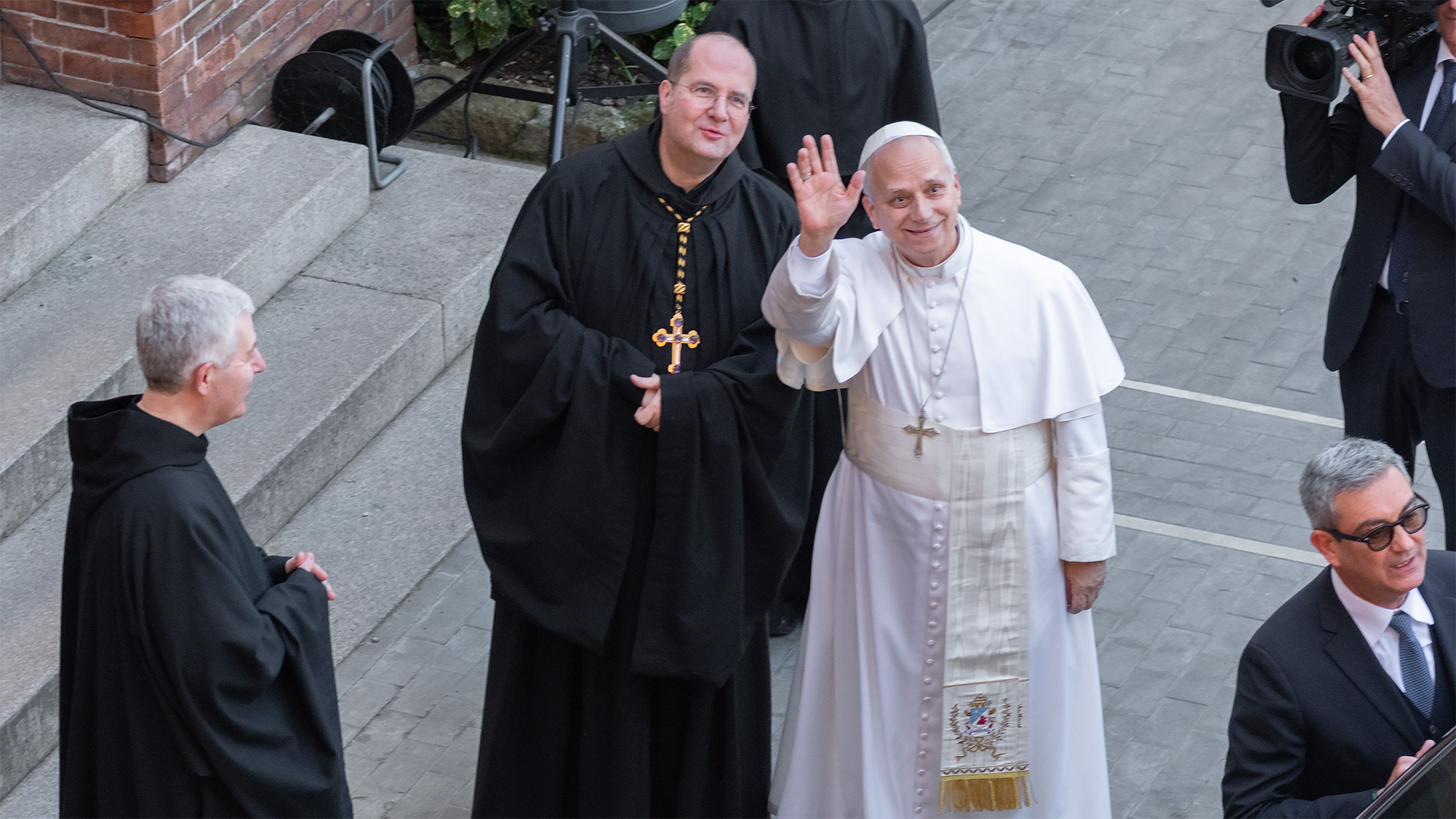
Meeting at the Basilica of Sant’Anselmo with the Benedictine and Dominican communities, Pope Leo XIV began the Lenten Stational Church pilgrimage, moving in penitential procession to the Basilica of Santa Sabina.
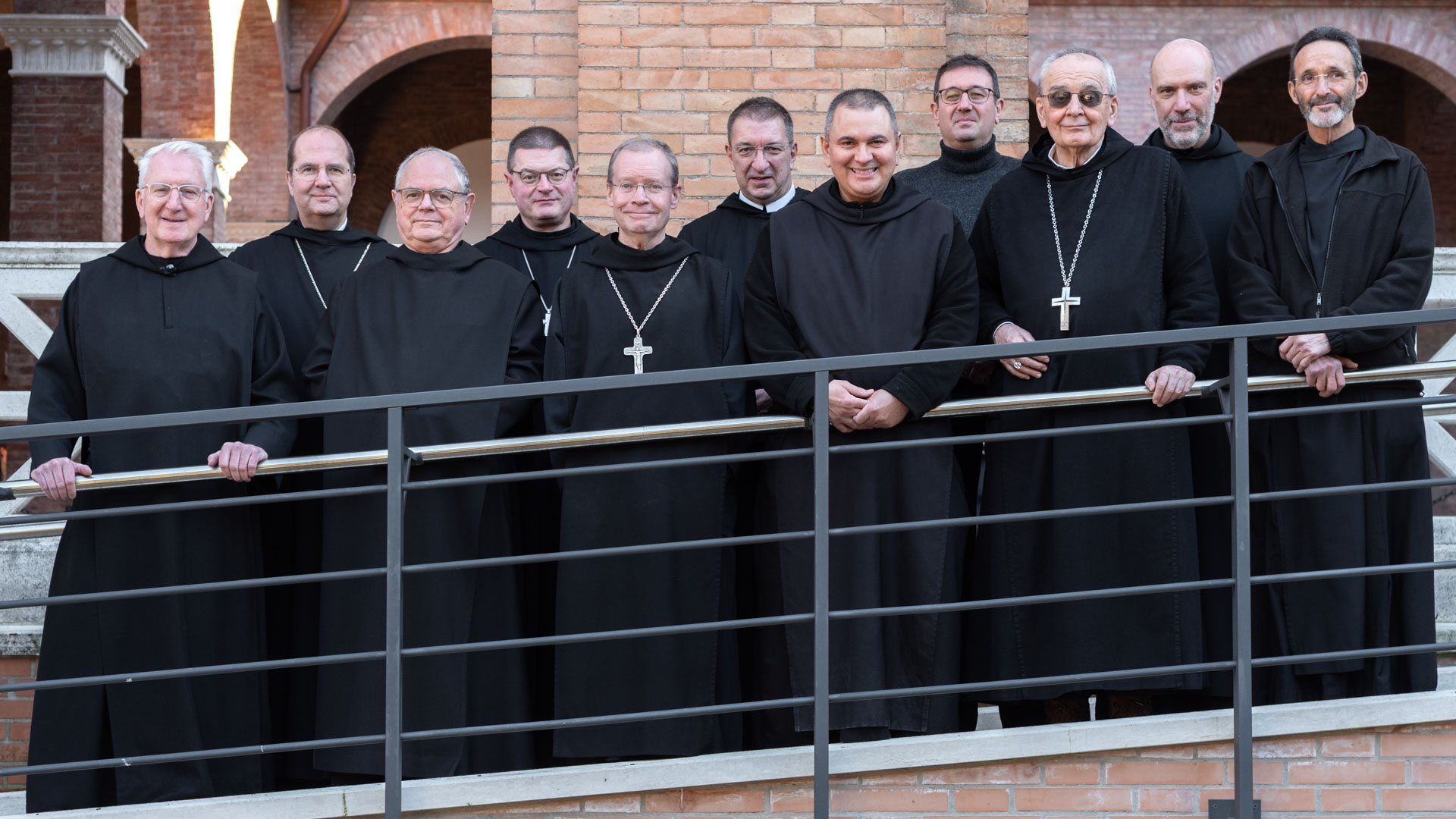
Roman institutions are accustomed to change, and Sant’Anselmo is currently experiencing a significant amount of it. Our bursar/treasurer is being replaced, and the membership of the Abbot Primate’s Finance Commission is also being renewed.